Ten voices. Ten sentences you do not forget.
Available on Ausha, Apple Podcasts and Spotify.
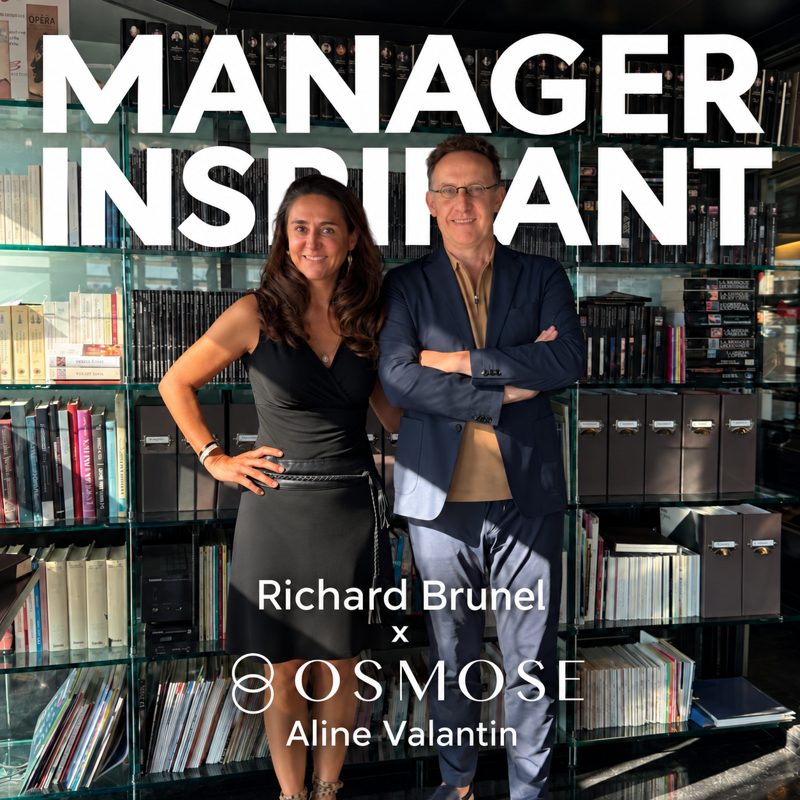
« I'm not afraid of other people's talent. »
Richard Brunel
General and artistic director, Opéra national de LyonEpisode Opening the opera to everyone without giving up on excellence.
Listen · 1 h 05 →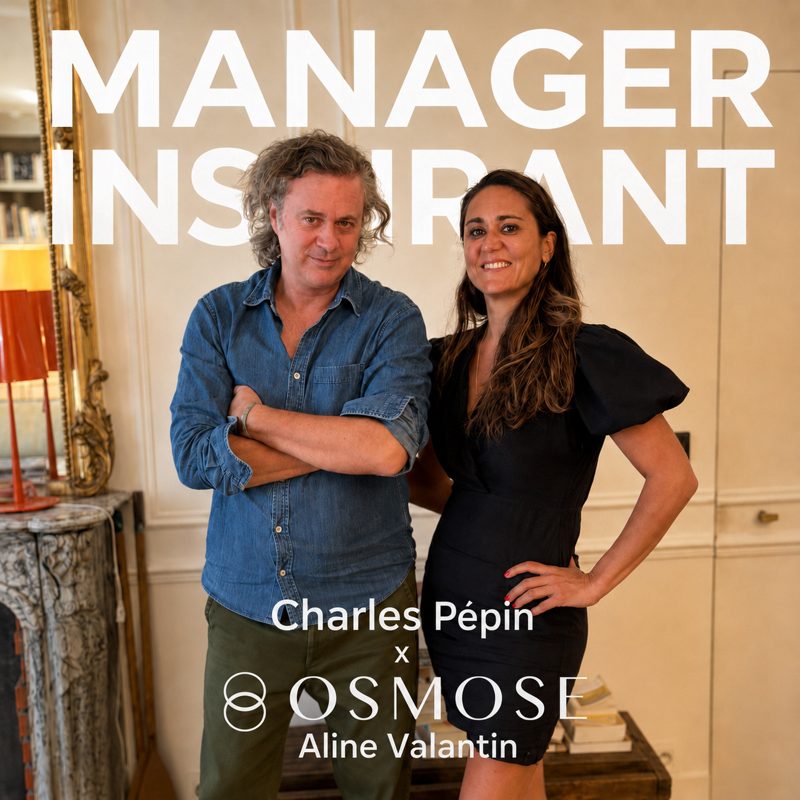
« Courage is going in with your fear. »
Charles Pépin
Philosopher and authorEpisode Demanding without fear: the eight season 1 guests put their questions to the philosopher.
Listen · 1 h 04 →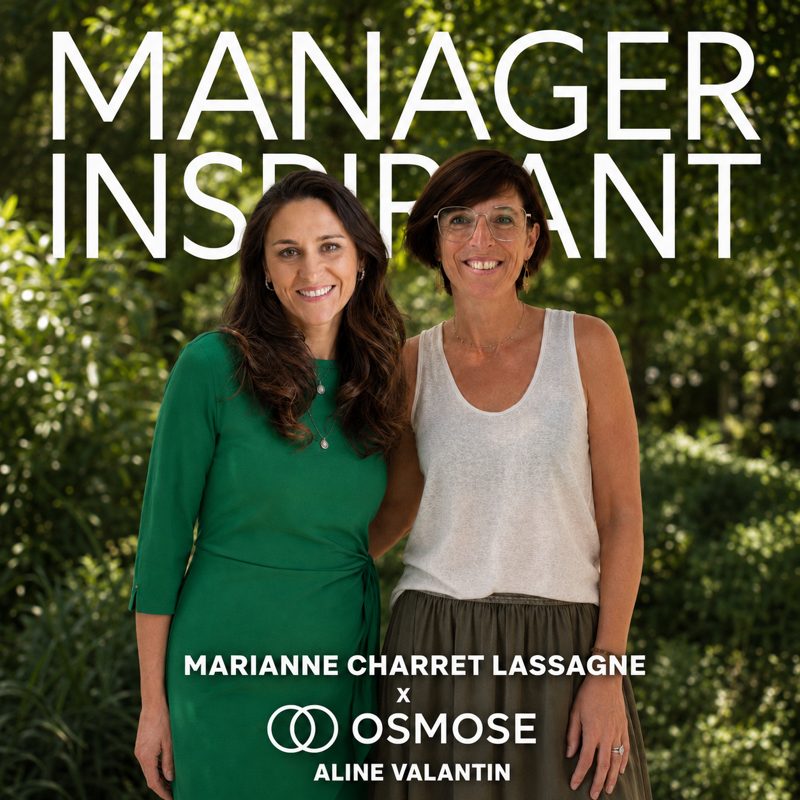
« If I am no longer afraid, what do I decide? »
Marianne Charret-Lassagne
Former police commissioner, Krysalis ConseilEpisode A collective holds through the bond, not the rank.
Listen · 55 min →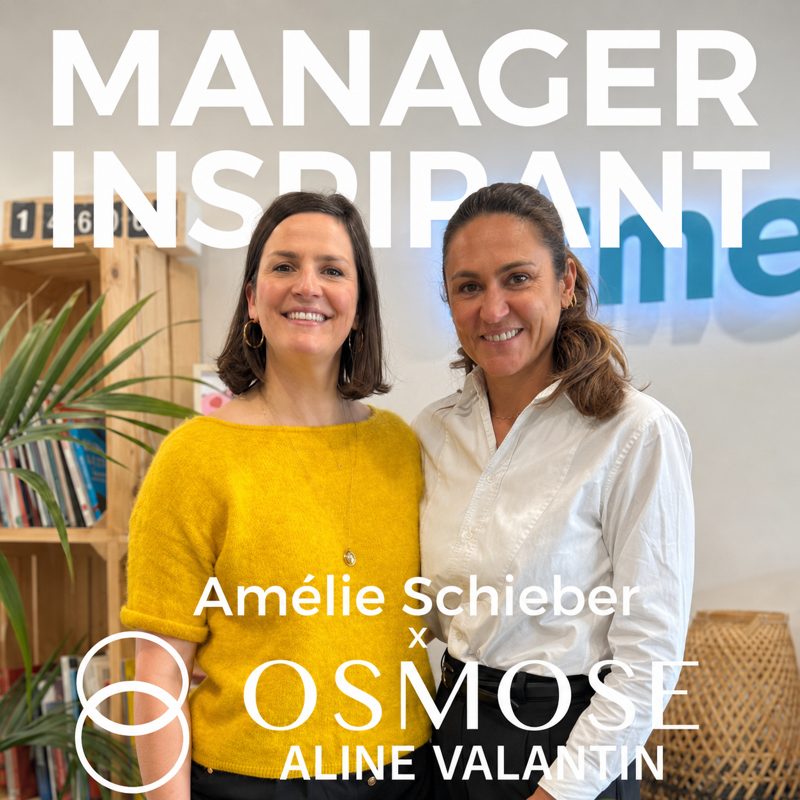
« There is never a right time to start. »
Amélie Schieber
President and co-founder, TiimeEpisode Leading 300 people by unlearning control.
Listen · 51 min →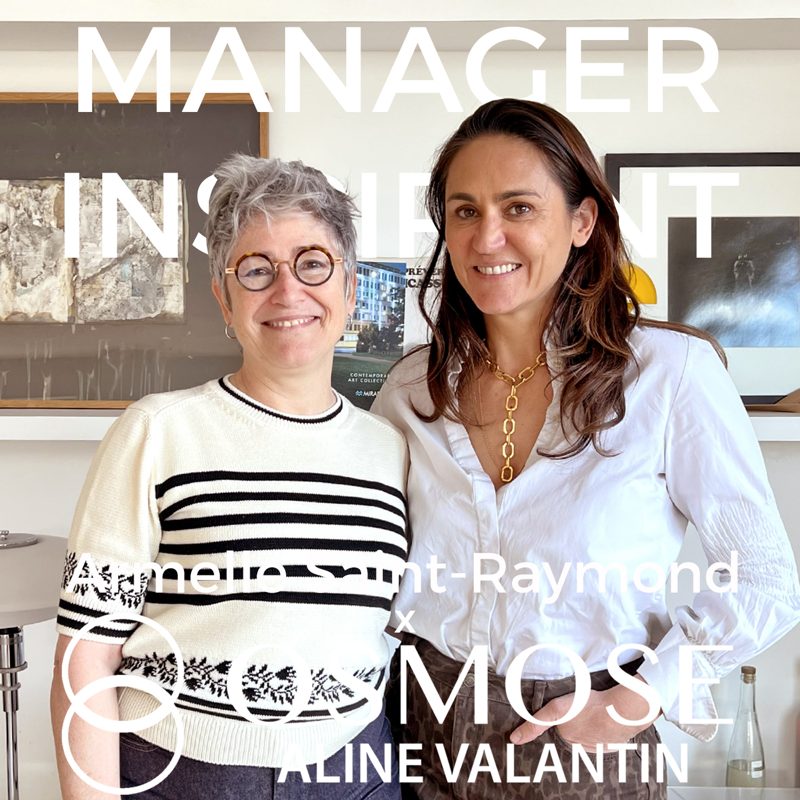
« Being an HR director means having the courage to act as a counter-power. »
Armelle Saint-Raymond
International HR director, TAG HeuerEpisode Transforming cultures without losing the business.
Listen · 48 min →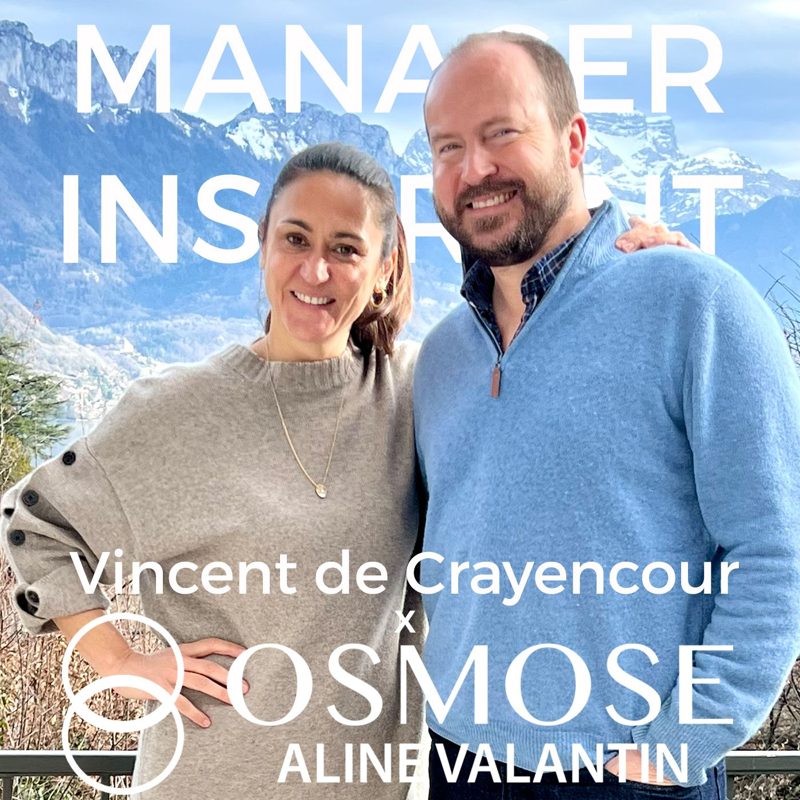
« A right decision taken too late is no longer right. »
Vincent de Crayencour
Former intelligence and special forces officer, entrepreneurEpisode Leadership forged in grey zones.
Listen · 49 min →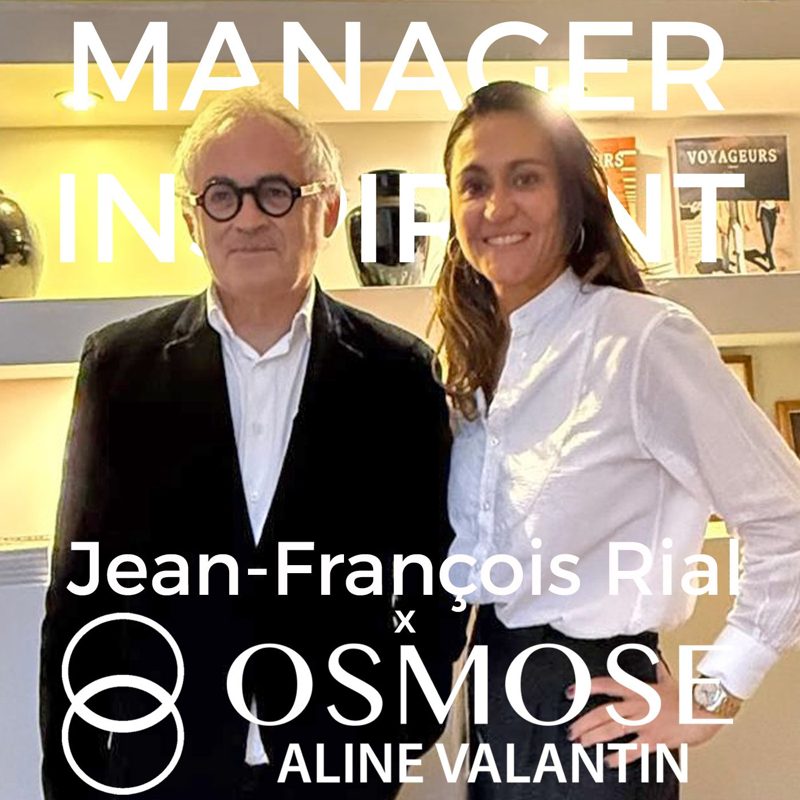
« You have to be demanding. But you have to be kind. »
Jean-François Rial
Co-founder and CEO, Voyageurs du MondeEpisode Leading by linking meaning, beauty and performance.
Listen · 1 h 05 →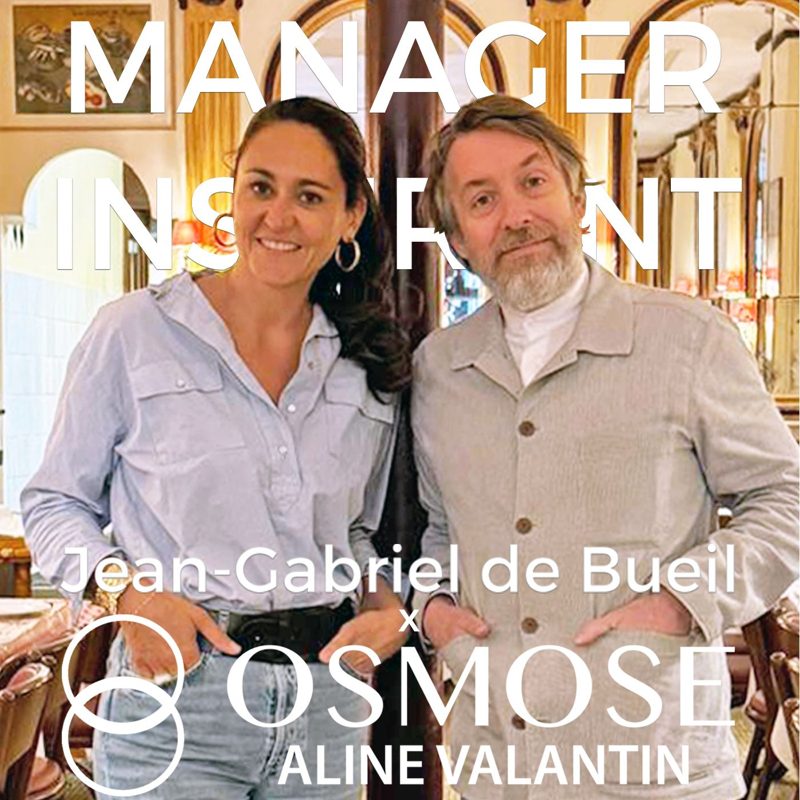
« Empathy is my compass. »
Jean-Gabriel de Bueil
Owner, Chez GeorgesEpisode Making the collective a home.
Listen · 45 min →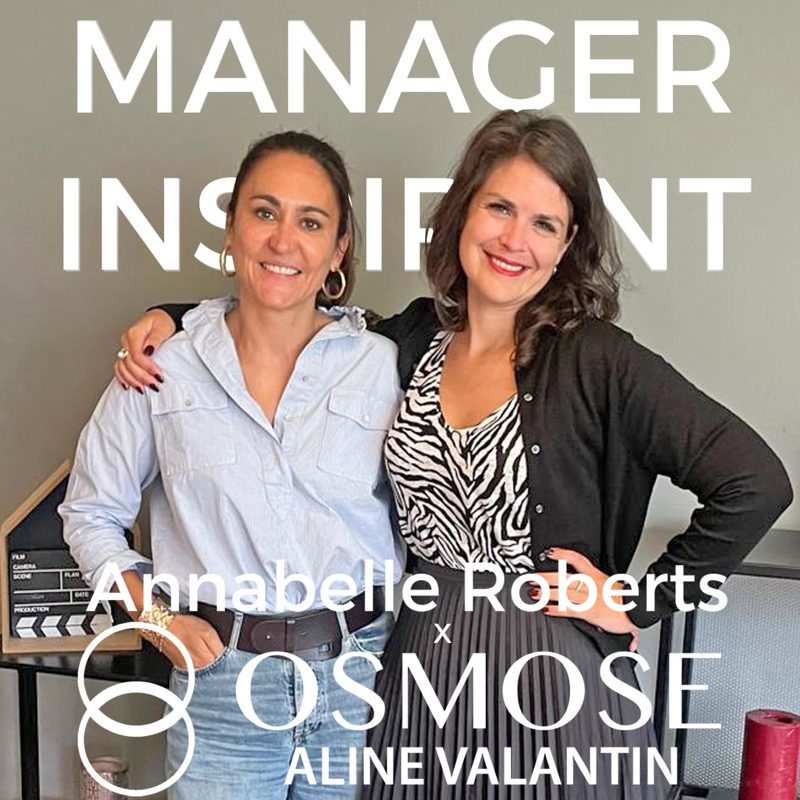
« If I need to give orders, I have failed somewhere. »
Annabelle Roberts
Co-founder, Present Perfect, authorEpisode Leadership that sets people free.
Listen · 54 min →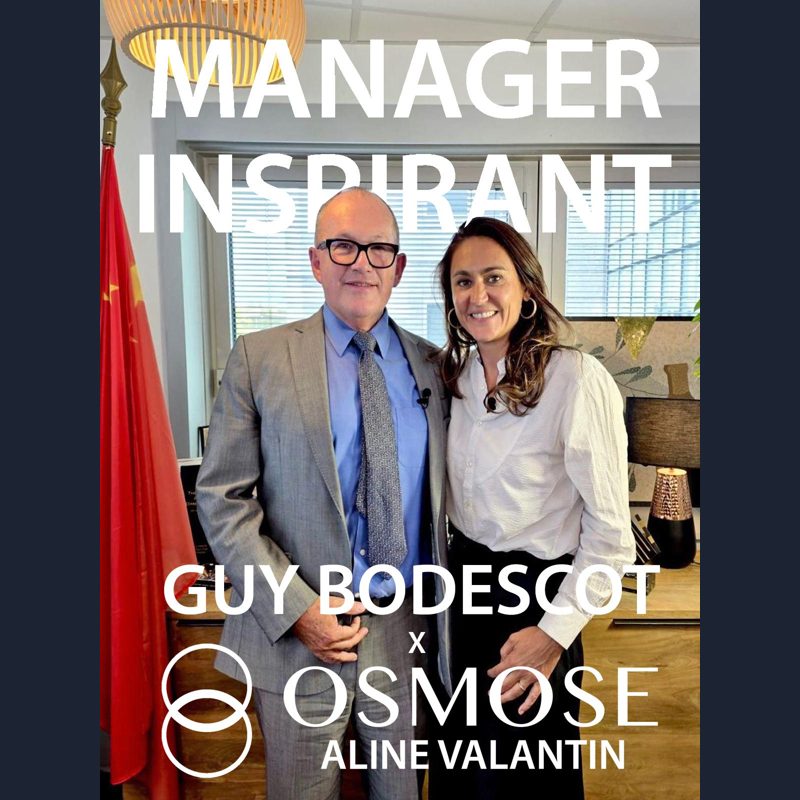
« A crisis must protect the main asset, which is people. »
Guy Bodescot
Executive chairman, Extime Duty Free ParisEpisode Leading without imposing.
Listen · 51 min →The articles
What the conversations taught us.
Five ideas drawn from the interviews, four minutes each. The quotes are the guests' own words, translated from French.
Charles PépinPut people at ease, then trust them: two moves, in that order.Read the article
Charles Pépin taught for twenty-five years. He knows the preparatory classes that give 3 out of 20 on principle and send their students to Polytechnique. He knows the companies with tough management that lead their market. He does not dispute the result. He refuses the world that comes with it.
His rule fits in one sentence: "You have to go and find people where they are good and put them at ease. First, put them at ease, which means above all not frightening them." The order matters. A manager who demands before building confidence produces anxiety; a manager who builds confidence and then demands produces engagement.
Then comes the second, harder move: trusting fully. "You cannot give your trust partially. Either I trust you or I don't. There is no in-between." And so that it is not naivety, he gives the formula we keep for leadership teams: "I warn you that in four months I will check the results. You are completely free." Trust at 100 %, control on a date. Never both in the same moment.
Richard BrunelNot being afraid of other people's talent.Read the article
Richard Brunel comes from the theatre. Actor, director. He had never run an opera house when he took over the Opéra national de Lyon, more than 350 people, one of the boldest houses in Europe. His management style fits in one sentence: "I'm not afraid of other people's talent." The student who surpasses the master? He prefers it.
He adds: "I don't want power struggles every five minutes just to say that I'm the one who has power. What interests me is being able to make things happen." Having power, or being able to make things happen. We see the same thing among the leaders we meet: power struggles are not a sign of authority, they are a sign of insecurity. And insecurity tolerated at the top becomes a culture at the bottom.
The result shows in the house's numbers: 30 % of the audience is under 29, and every season one spectator in three comes for the first time. And not an ounce of excellence given up along the way. "Dare first, dose afterwards."
Jean-François RialA quarter of the profits to the teams: generosity as strategy.Read the article
Every year Voyageurs du Monde shares between 25 and 30 % of its profits with its teams. And Jean-François Rial says it plainly: "We are the most profitable company in the sector." The two sentences are not contradictory. For him, they hold together.
His three conditions: meaning, high standards, kindness. "You have to be demanding with your people because a company that is not demanding goes bankrupt. But you have to be kind." And a conviction about hiring that every HR director we meet confirms: "Today you no longer hire young graduates into a company that has no meaning."
Finally there is beauty, "one of the key values of Voyageurs du Monde, because it embodies truth". The beauty of the journeys sold, but also of the agencies, the gestures, the commitments. What teams are proud to carry, they carry for a long time.
Marianne Charret-LassagneIf I am no longer afraid, what do I decide?Read the article
Twenty years in the French national police, up to 350 people under her command. Marianne Charret-Lassagne learned to decide in a tenth of a second. Her method: "I learned very early to recognise my emotions and set them aside in a crisis. And if I am no longer afraid, what do I decide?"
The question applies to every leadership team. It does not ask you to deny fear; it asks you to set it down and look at what remains. What remains, for her, is the bond: "Even when things are going well, you have to cultivate a strong bond and strong trust in the people you work with." Trust is built before the crisis, never during it.
And a line she does not negotiate: "For me, caring for the person cannot be a matter of compromise." She quotes Saint-Exupéry: "Love those you command, without ever telling them."
Armelle Saint-RaymondEqual parental leave for everyone: a case study in cultural change.Read the article
HR director at Yves Rocher, Petit Bateau, L'Occitane and then TAG Heuer, Armelle Saint-Raymond reads a company as a living system. Her most structuring decision had no business case: identical parental leave for men and women, worldwide. "The best way to make it ordinary is to give men the same right."
She overturns a received idea along the way: "Birth rates are a myth. Fewer than 5 % of employees have children, men and women combined." A measure that is symbolic for the company and decisive for the culture.
Her definition of the role is the one we quote most often: "Being an HR director means having the courage to act as a counter-power from time to time, even if it is not simple. And to keep the leader from going mad." And her warning for the managers of 2026: "A manager who still lets their teams believe they have an answer to everything, that they are omniscient, omnipotent and strong, is an impostor."
News
Richard Brunel at the Opéra de Lyon
One hour with a leader who opens doors without ever lowering the bar. The full episode is online.
Performance or robustness?
Charles Pépin and biologist Olivier Hamant propose banning "performance" and "process" from managerial vocabulary. Performance wins a quarter. Robustness wins twenty years.
La REF 2026 at Roland-Garros
Five generations at work, AI agents at the table, and the courage of leaders: live on BFM Business.
Studies decoded
8 % of employees engaged in France
Against 12 % in Europe and 20 % worldwide. What the figure says, and what it does not.
27 to 46 % of transitions disappoint
And 68 % of failures come down to culture, politics and people.
30 % of executives supported at integration
More than 500 executives surveyed worldwide.
One episode, one news item, one study, every month.
Leave your address.
A transition is something you prepare.
Let's talk about yours, or the one you are supporting.
Leave your email or mobile number and the reason for your request: Aline gets back to you personally within 48 hours. A confidential first conversation, no commitment.